
 VN
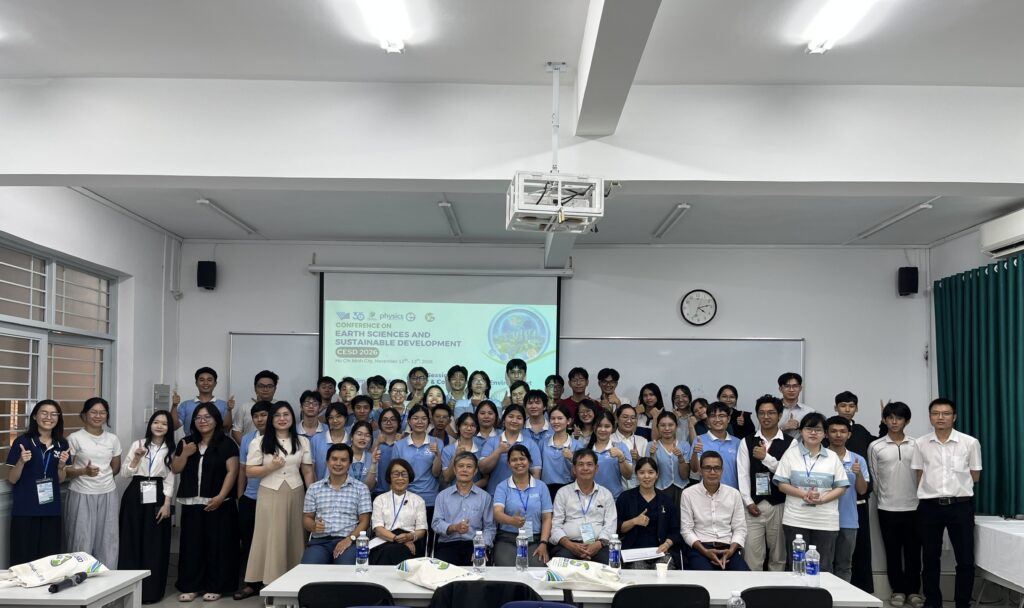
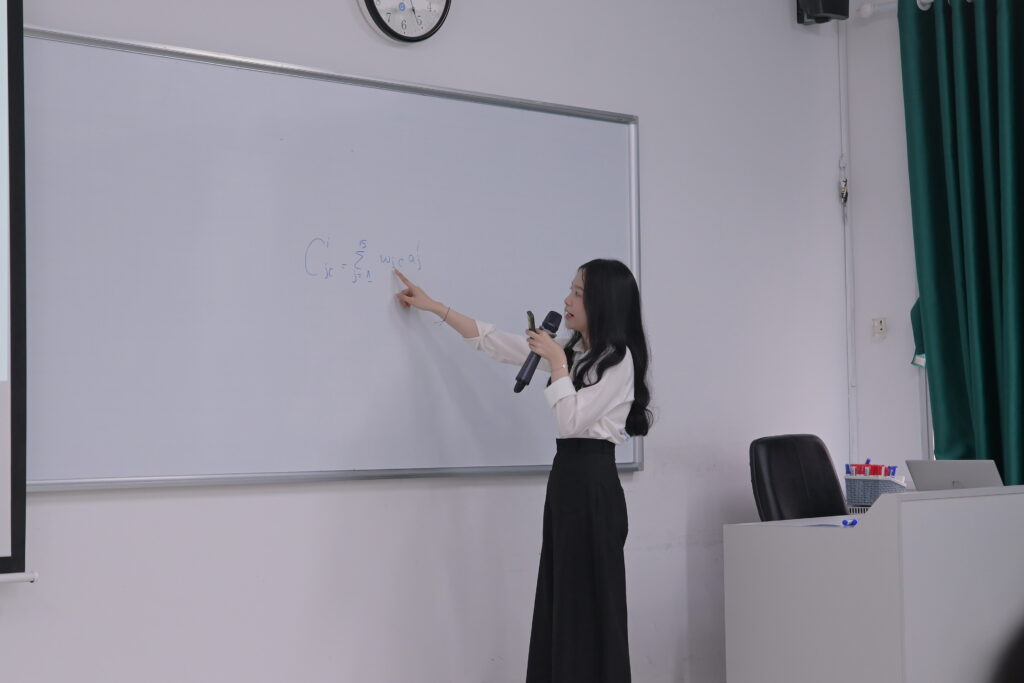
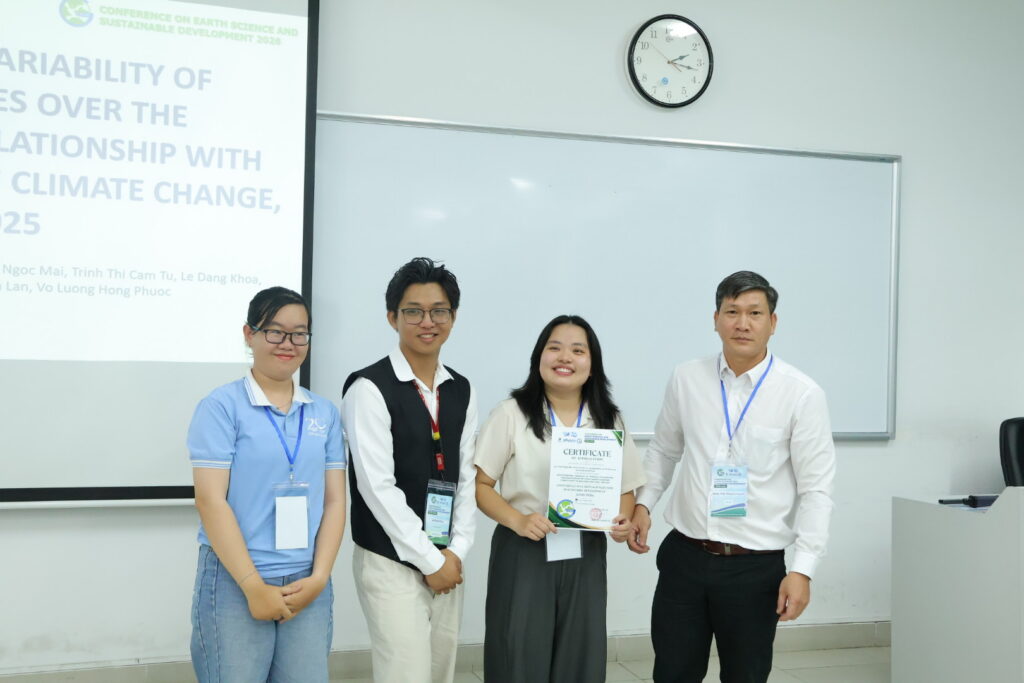
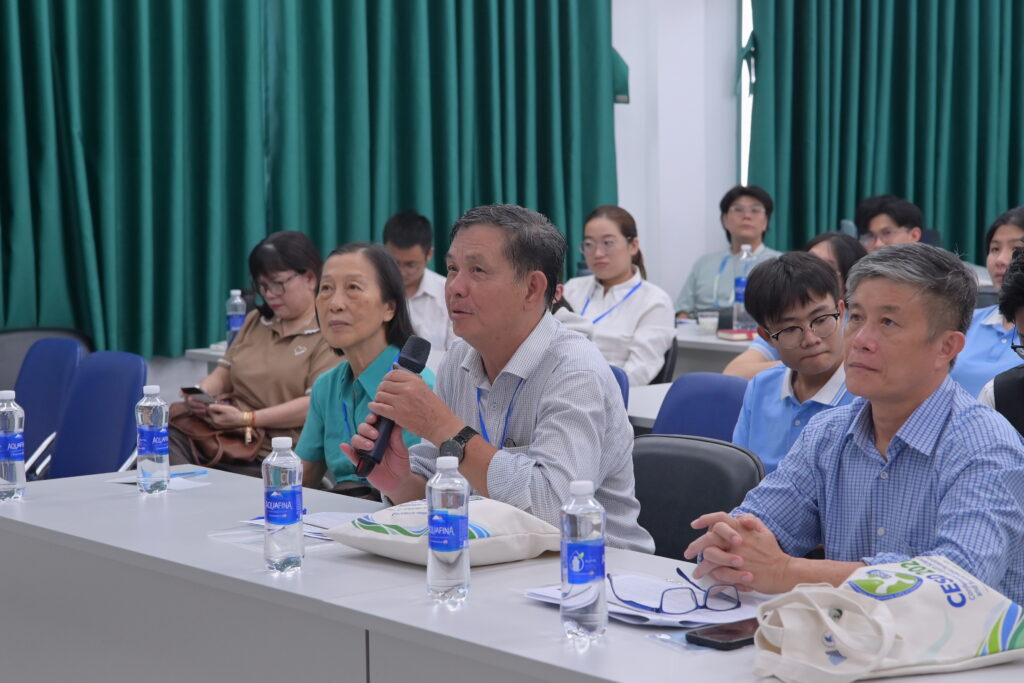
Within the framework of the Conference on Earth Sciences and Sustainable Development 2026 (CESD 2026), held on November 12, 2026, at VNUHCM-University of Science, Session 2, themed “Climate Change, Water & Coastal–Marine Environment,” took place dynamically in Room C24. Under the guidance of experienced session chairs, the session brought together numerous timely and highly practical research works from both domestic and international scientists.
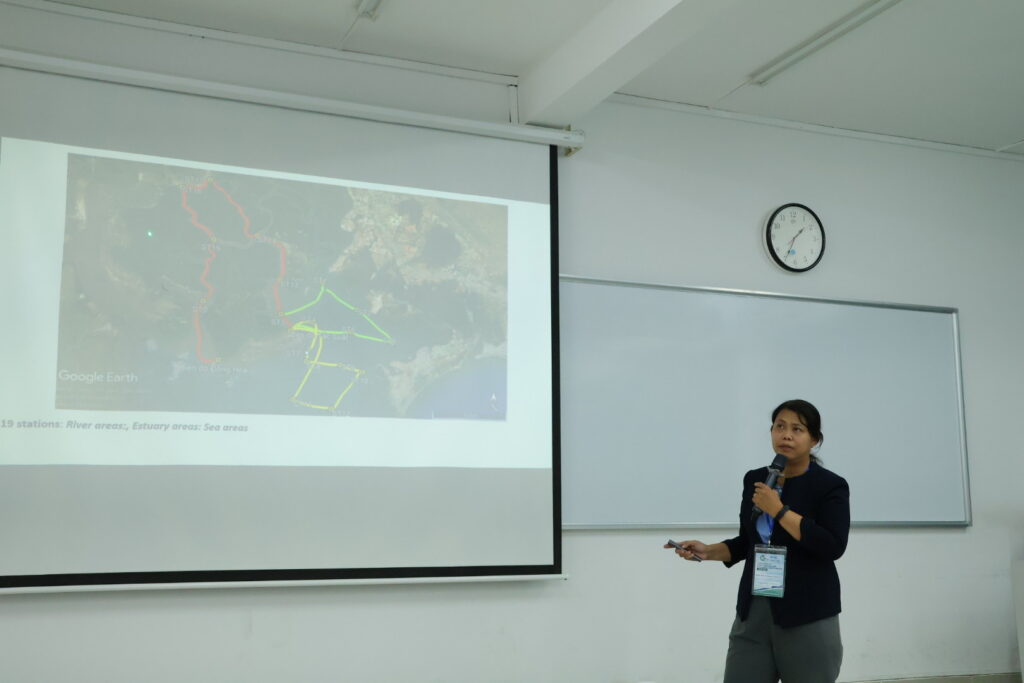
Opening the program was an invited keynote presentation by Assoc. Prof. Vo Luong Hong Phuoc, offering a comprehensive overview of soil organic carbon storage capacity alongside the current status of microplastic pollution in the Can Gio Mangrove Biosphere Reserve. The Can Gio mangrove ecosystem continued to serve as a focal point of research through studies investigating estuarine water dynamics—particularly the distribution of dissolved inorganic nutrients as well as the controlling factors of dissolved methane (CH4), a critical greenhouse gas.
Beyond coastal ecological issues, Session 2 also featured multifaceted perspectives on climate variability, hydrology, and disaster risk management. Presentations during the session delved into analyzing the relationship between the ENSO phenomenon and the spatiotemporal variability of tropical cyclones over the East Sea (Bien Dong) during the 1990–2025 period, while projecting streamflow trends and extreme hydrological events in the Thac Mo Reservoir basin under climate change scenarios through the end of the 21st century. From a planning application perspective, a coastal vulnerability assessment methodology utilizing the Coastal Vulnerability Index (CVI) for Tuy Hoa City (Phu Yen Province) was also introduced to support shoreline protection against the pressures of sea-level rise and erosion.
The scope of Session S2 further expanded into emission mitigation solutions, public health, and sustainable development. Notable contributions included comparative analyses of the mortality burden from PM2.5 fine particulate matter pollution across contrasting climates—specifically between tropical Ho Chi Minh City and subarctic Ulaanbaatar (Mongolia)—as well as an examination of the role of future-oriented thinking in advancing the implementation of the Sustainable Development Goals (SDGs) in Vietnam.
Concluding a productive afternoon, Session 2 at CESD 2026 successfully fulfilled its role in fostering interdisciplinary knowledge exchange. The research findings and academic discussions shared during the session not only shed further light on natural mechanisms in the face of climate change but also provided a vital scientific foundation for resource management, environmental protection, and sustainable development policymaking in the coming years.